 Skip to content
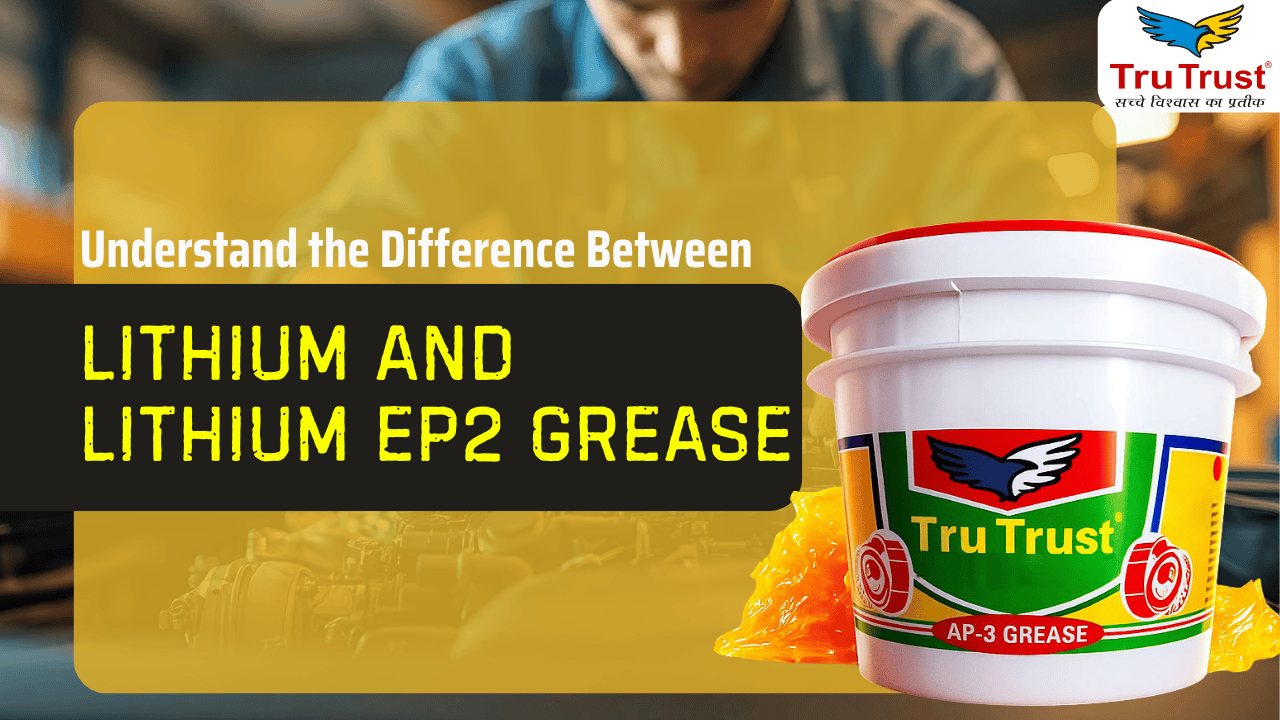
There are a variety of grease lubrications, such as Lithium complex grease, synthetic grease, polyurea grease, and calcium grease. Grease lubricant is a highly viscous product that prevents friction between moving parts, especially when oil cannot be applied. It is composed of base oil, thickener and performance additives. Grease lubrication can endure extreme temperatures and heavy operations, which makes it ideal for industrial machinery operations. This blog explains the types of grease lubrication, the applications, characteristics and factors considered when selecting grease lubrications.
Types of grease
Calcium grease: It has high water resistance, which is ideal for low-temperature water operations.
Lithium complex grease: It is often ideal for power plants, steel plants and heavy machinery because of its improved viscosity. It maintains stability under high temperatures and heavy loads.
Polyurea: This grease has good oxidation stability and a long service life span, making it ideal for bearing applications for motors.
Lithium complex grease: It has high water resistance, and it maintains its integrity even under high temperatures.
Synthetic grease: This grease is ideal for operations under high temperatures, as it has high resistance to oxidation, chemicals and wear.
Characteristics of grease lubrication
Temperature stability: Its chemical structure remains constant even under extreme temperatures; as such, it is suitable for high-temperature operations.
Water and contaminant resistance: Grease lubrication is the best way to provide a layer that protects against water and contaminants.
Corrosion protection: Grease lubrication has rust and oxidation inhibitors, which makes it ideal for industrial automation.
Long-lasting performance: Grease lubrication has the ability to stay in place for a longer period, which reduces the need for frequent change.
Application of grease lubrication
Automotive industry: The grease is applied to suspension systems, bearings, steering systems, and chassis. It reduces friction, which sustains lifespan and enhances comfort whilst driving.
Industry machinery: Grease lubrication enhances smooth operation and reduces downtime, hence making it reliable in gearboxes, conveyors, heavy equipment and rolling bearings.
Construction and mining: Grease lubrication is ideal for loaders, crushers, drilling rigs and excavators.
Agricultural equipment: Grease lubrication is used in tractors, irrigators, and harvesters for the machines to cope with the outdoor operations.
Power generation: Electric motors, generators, and turbines require grease lubrication.
How to choose the right grease lubrication?
There are a number of factors that are considered when selecting the right grease lubricant, such as temperature; evaluate the machine’s temperature operations and check if the grease can withstand such temperature. Ensure that the new grease and the old grease are compatible in thickness. Consider the load and speed of machines to determine the right viscosity. It is important to select the right grease lubrication, as the wrong grease can inhibit optimum operation and can also shorten the machine’s durability.
Conclusion
Applying grease lubrication on machines offers various benefits; it primarily prevents friction, which protects the machines from wear and enhances optimum functionality. When purchasing grease lubrication, ensure to understand the machine’s requirements, then buy a grease lubricant that matches the requirements, you can purchase it from TruTrust Industries, your trusted suppliers, led by Anil Kumar. Our customer service endeavours to guide clients to the suitable grease lubricant. The products are of premium quality.
FAQ’s
- What are the factors that cause grease lubricant to fail prematurely?
Premature failure of grease can be caused by wrong application, frequent extreme temperatures and contamination.
- How can I detect if I am over-greasing?
You can detect that you are over-greasing by noticing the unusually hot bearings. Over-greasing causes churning, you notice leakage because the oil is forced out of its seal, and you will also notice some grease in the electric motor windings.
